Before we get into the details, it’s worth noting why this particular development matters to tech audiences who understand the complexities better than most.
Beyond the Tower Defense Foundation
You can love gacha games and still criticize them. Actually, the people who care most about the genre are usually the harshest critics. When HyperGryph announced they were expanding the Arknights universe into open world territory, plenty of fans wondered if the studio could actually pull off bridging strategic tower defense with exploration-based design.
The numbers tell part of the story. But only part.
The answer came in January 2026 when Arknights Endfield launched globally on PlayStation 5, PC, iOS, and Android. With 35 million pre-registrations leading up to launch, this was one of the most anticipated mobile RPG releases in recent memory. The Arknights Endfield official site had been tracking this massive wave of early interest for months, showing that players were hungry for something that pushed past traditional gacha boundaries.
Set in the same Terra universe that Arknights players already know, Endfield takes players to Talos-II, a previously unexplored planet ready for discovery. This setting choice works because it lets the development team honor existing lore while creating space for genuinely new experiences. Instead of retreading familiar ground, players encounter fresh mysteries and challenges that feel both connected to the source material and refreshingly original.
The Evolution of Strategic Combat
Endfield’s approach to combat is a thoughtful evolution rather than a complete departure from its tower defense origins. The game works as an action RPG that weaves strategic positioning and resource management into real-time exploration and combat scenarios. Players still deploy operators with distinct roles and abilities, but now these decisions happen in dynamic environments where terrain, weather, and enemy movement patterns create constantly shifting tactical puzzles.
Moving from static tower defense maps to open world encounters required fundamental changes to how operators function. Characters keep their core identities and skill sets, but their abilities now work in three-dimensional spaces where elevation, cover, and environmental hazards matter. A sniper operator needs to find high ground for optimal positioning, while defenders must adapt their blocking strategies to terrain that offers multiple approach vectors.
This combat evolution becomes particularly clear during large-scale encounters where multiple operator teams can coordinate across vast battlefield areas. The game manages to preserve the careful planning and execution that made the original Arknights compelling while adding layers of spatial awareness and environmental interaction that feel natural rather than forced.
Building Beyond the Base
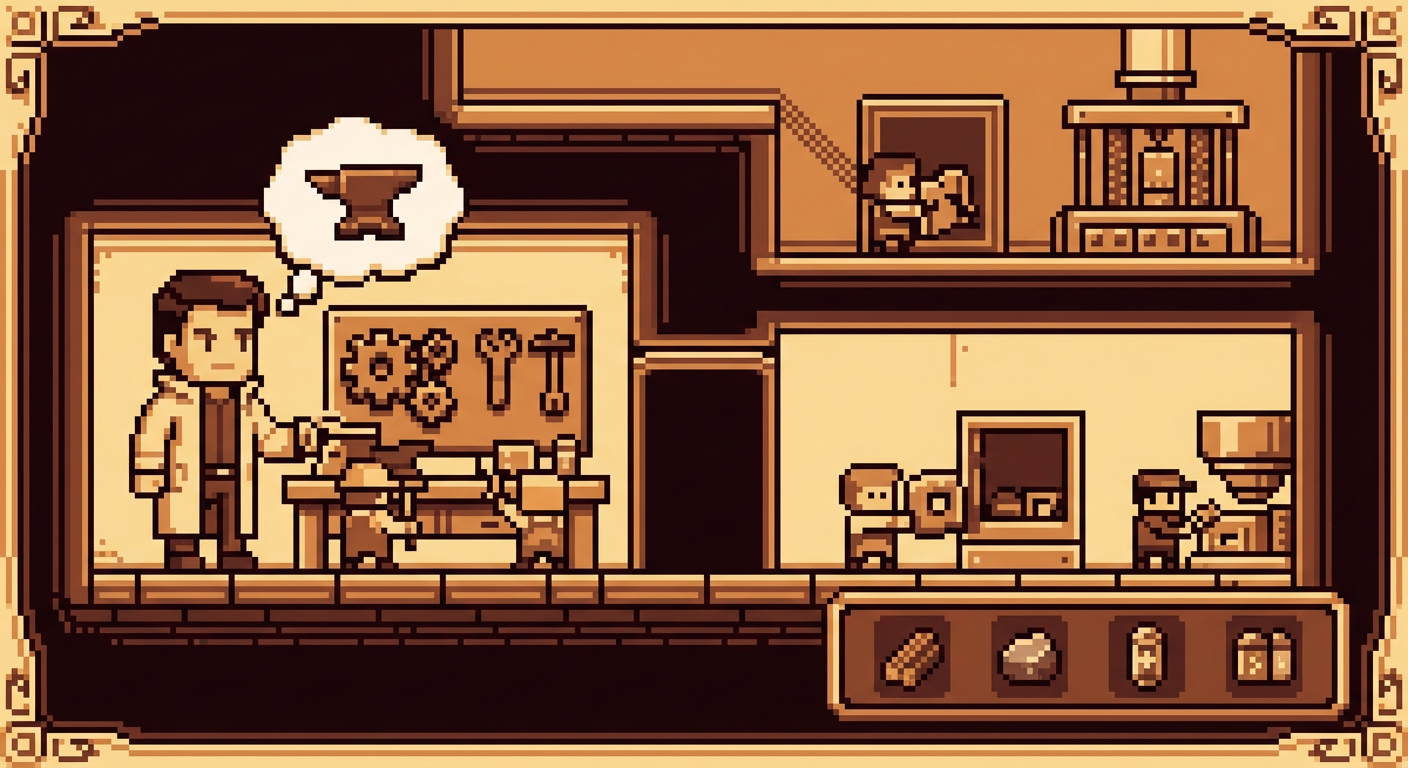
One of Endfield’s biggest innovations is how it expands the base-building systems that Arknights players already understand. The new crafting and construction mechanics let players establish forward operating bases across Talos-II, creating networks of facilities that support exploration efforts while providing familiar resource generation and operator training functions.
These expanded systems integrate well with the open world structure. Players might discover rare mineral deposits during exploration that unlock new crafting recipes, or encounter environmental challenges that require specific base modules to overcome. The base-building elements feel purposeful rather than tacked on, serving both progression goals and exploration objectives in meaningful ways.
The crafting system deserves particular attention for how it balances accessibility with depth. New players can engage with basic crafting almost immediately, while veterans discover complex recipe chains and optimization opportunities that reward long-term planning. This approach mirrors the broader game design philosophy of maintaining entry-level accessibility while offering significant depth for committed players.
Cross-Platform Innovation and Player Choice
The most impressive technical achievement in Endfield is its cross-platform progression system, available from day one across all supported devices. Players can start their morning exploration session on mobile during their commute, continue on PC during lunch break, and wrap up evening raids on PlayStation 5 without losing any progress or functionality.
This technical foundation supports one of the game’s most player-friendly features: the free 6-star operator selector that newcomers receive when starting their journey. This selector includes powerful operators like Pogranichnik, Last Rite, Ember, Lifeng, and Ardelia, giving new players immediate access to high-tier characters that would typically require significant gacha investment. The decision reflects confidence in the game’s long-term content and progression systems rather than front-loading monetization pressure.
The HyperGryph developer page has detailed how this approach aims to reduce early-game friction while maintaining engagement through meaningful progression choices rather than gatekeeping mechanics. Players can focus on learning systems and exploring content rather than immediately worrying about team composition limitations.
Redefining Gacha Genre Expectations
Endfield’s success comes not from abandoning gacha conventions but from thoughtfully reimagining how they can serve player experience rather than dominate it. The open world structure provides numerous progression paths that don’t rely solely on gacha pulls, while the base-building and crafting systems offer meaningful goals that extend beyond character collection.
The game’s approach to monetization feels notably different from many contemporary gacha titles. While premium currency and limited-time banners remain part of the experience, the robust free-to-play progression options and generous starting roster mean that spending feels like enhancement rather than necessity. This balance becomes particularly important in an open world context where players expect freedom to explore and experiment.
Most importantly, Endfield shows that gacha games can embrace ambitious design goals without sacrificing the strategic depth and character progression that make the genre compelling. The open world exploration adds genuine value to the experience rather than just window dressing for familiar monetization patterns. For players who love gacha games but want to see them reach higher creative potential, Endfield is exactly the kind of thoughtful evolution the genre needs.
For more on mobile gaming, gacha culture, and where the industry is heading, metatrend.app covers this space with the depth it deserves.
If you work in or around this space, the practical implications are worth mapping against your current tooling and roadmap. Bookmark this for your next architecture review.