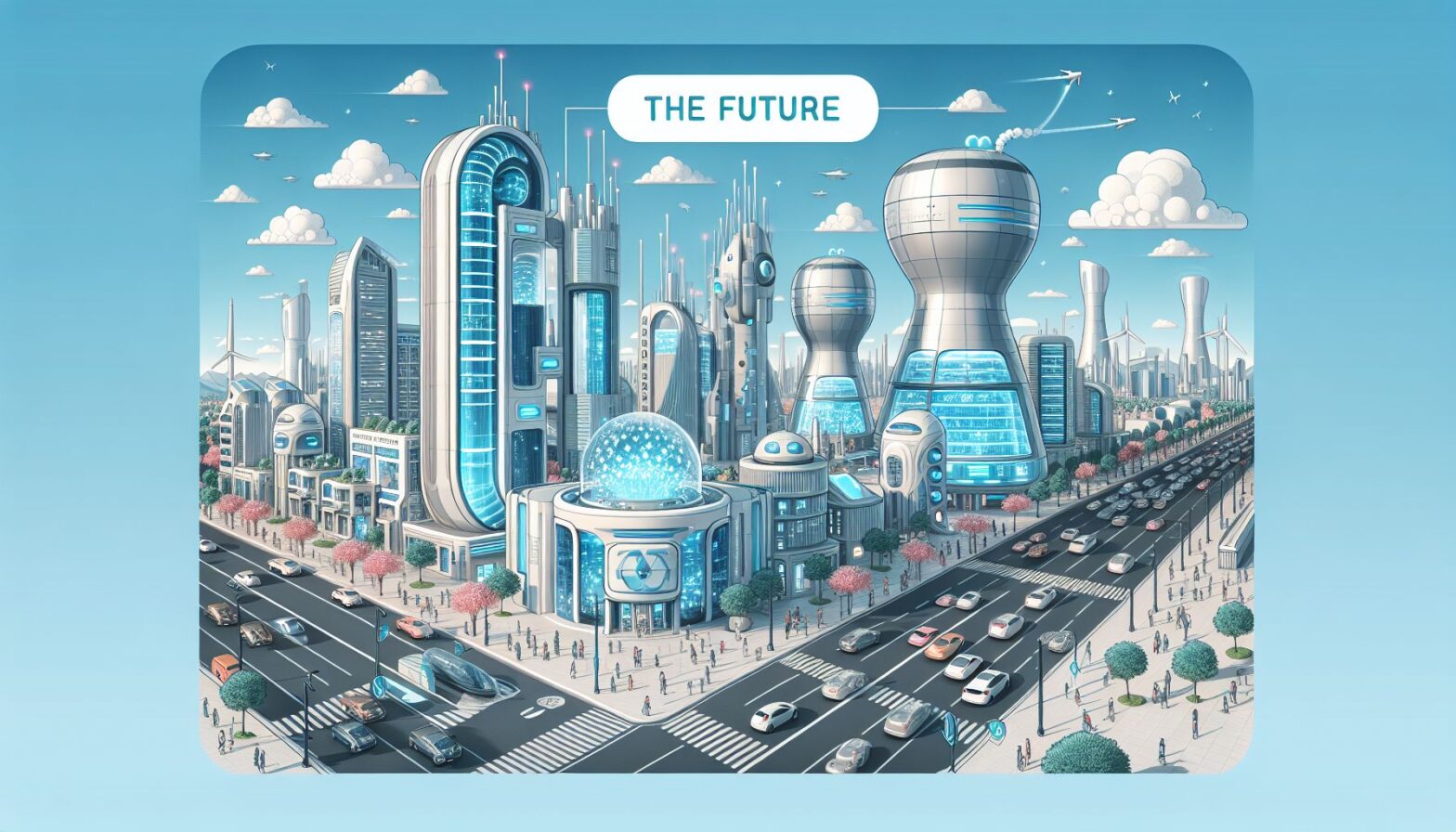
Ah, nuclear fusion—the holy grail of energy. The thing that lets us turn super massive stars into boundless power sources… or at least, that’s what Hollywood wants us to believe. Just the other day, I found myself sipping on one of those overpriced, underwhelming lattes while pondering the future of energy. The barista, much to my surprise and delight, had a science fiction novel hidden under the counter. It got me thinking: what if nuclear fusion wasn’t just a dream in a sci-fi paperback, but an imminent reality?
What Exactly is Nuclear Fusion?
First, let’s clear the air. Nuclear fusion is NOT nuclear fission, although they sound oddly like siblings. Fusion involves slamming atoms together until they stick, producing more energy than they took to do so—a bit like those satisfying ASMR videos, except you end up with clean energy instead of tingles. When achieved efficiently, fusion could give us nearly limitless power with virtually no carbon emissions. Sounds too good to be true, right? That’s because, until now, it kinda has been.
The Science Behind the Magic
The secret sauce of nuclear fusion lies in mimicking the conditions at the sun’s core—about 15 million degrees Celsius. Easy enough, right? Just kidding. Most of my friends can’t even manage to reheat pizza to the perfect temperature. Scientists use various methods, such as magnetic confinement (the fabulous doughnut-shaped tokamaks) or inertial confinement (think super-powered lasers), to achieve these scorching conditions here on Earth.
The biggest news in fusion recently is the development of more advanced, stable plasmas. Different institutions, from ITER in France to private startups like TAE Technologies, are making leaps with new materials and tech. If these teams continue their success, we could finally see net “break-even” energy production. Let’s just say I might start betting on nuclear fusion conferences instead of horse races soon!
The Implications: An Energy Revolution
Let’s paint a picture: reactors in every continent supplying infinite, clean electricity to homes, spacecraft, and maybe even the air we’re breathing right now. Well, I did say picture! But seriously, an age of fusion energy will mean major shifts in geopolitics, economics, and environmental strategies.
For one, the geopolitical struggle for energy resources could well become a thing of the past. Talk about a global sigh of relief, especially if you live anywhere that’s had oil arguments span generations. Economically, cheap energy would spur new industry booms and perhaps even reignite the industrial sector in regions hit by energy costs. Imagine nightclubs powered by the same technology as stars… wait, why wasn’t that already a Black Mirror episode?
The environmental changes are equally huge. For a world committing to decarbonization, nuclear fusion is like the knight in shining armor in the battle against climate change. Zero emissions while offering a massive energy output is reminiscent of those days when your phone had full bars with zero wifi hotspots in sight. Pure magic.
The Challenges: Spoiler Alert—The Road’s Still Bumpy
While I’m all about optimism, it’s not all sunshine and rainbows in the world of nuclear fusion. A lot of folks’ livelihoods at stake here, myself included, as a tech-enthusiast dreaming of a brighter, cleaner future.
The primary hurdle is containment. Keeping plasma stable at such high temperatures is like trying to hold a feral cat in a burlap sack with your bare hands. Not easy, trust me. Plus, funding remains a colossal challenge. Fusion has the unsavory reputation of being the “30 years away” technology, perpetually in its gestational stage. Scientists and investors alike tread cautiously, balancing their checkbooks with aspirations.
And let’s not forget the initial investment in infrastructure, the tech required to get fusion reactors off the ground, and the sheer scale of global collaboration needed to make it happen. It’s bigger than hosting the World Cup in your hometown.
A Personal Anecdote
Alright, quick break: Can I share a confession? Once upon a time, more years ago than I care to admit, I tried building a fusion reactor in my garage. Don’t worry; I didn’t blow anything up—except maybe my ego. It’s a gentle reminder of the hurdles our scientists face. But even then, the dream didn’t die—now I just fanboy at conferences and watch from afar, notebook in hand.
Conclusion: Are We There Yet?
Spoiler: Not yet. But I sense we’re closer than ever before. Today’s fusion developments are like opening Pandora’s box, except all that spills out is potential and promise, no chaos necessary. As I sit here, one coffee too many, peering into the future, I dream of a day when the sci-fi tales of harnessing stars become tomorrow’s headlines.
If anything, I invite you to envision this world with me, where nuclear fusion propels us into sustainable horizons and energy abundance. And maybe, just maybe, my long-standing dream of free, on-demand coffee will become a reality too. Now there’s a fusion-powered world I’d love to see!